251-929-7850
DEEP PLANE
FACELIFT
Deep Plane FaceLift
Even those men and women who feel like they’re getting better instead of getting older may not feel quite as thrilled about the effects that aging and gravity can have on their appearance. If you’re troubled by loose skin through the lower face and upper neck or prominent jowling, or are frustrated that your reflection looks much older than you feel on the inside, a facelift could be the right solution for you. A facelift can leave you looking revitalized and refreshed. Dr. James Koehler is recognized as a facial plastic surgery specialist in the Mobile-Pensacola metro area.
Dr. Koehler focuses on the deep plane facelift technique, which can provide a longer-lasting and more natural-looking result compared to older techniques. For the past 10 years, he has taught the deep plane facelift technique at St. Louis University in a practical anatomy course with fellow surgeon Dr. Mike Nayak.
Both Dr. Koehler and Dr. Gardner are highly skilled at facial cosmetic surgery procedures and have delivered excellent facelift results for hundreds of patients.
What Is a Deep Plane Facelift?
Facial aging might be associated with wrinkles, but there’s a lot more to the aging process than these fairly minor surface changes. In fact, it’s the changes that occur in the deeper soft tissues of the face that are responsible for the more pronounced signs of aging that would necessitate a facelift. Collagen production declines, causing the skin to lose elasticity and firmness and begin to sag. The constant pull of gravity only exacerbates this downward migration. Over time, this causes laxity and softening in the skin itself that leads to droopiness and deep wrinkles.
A deep plane facelift smooths away loose skin folds and creates a firmer texture while simultaneously tightening the underlying supportive layers of the facial structure for long-lasting results.
Deep Plane Facelift Benefits
The deep plane facelift is a more advanced surgical technique that targets deeper facial structures than traditional facelift methods. By repositioning the SMAS (superficial musculoaponeurotic system) and underlying connective tissues rather than pulling only at the surface, this approach allows for a more natural-looking rejuvenation. It provides long-lasting results that resist the “pulled” appearance often associated with older techniques.
One of the key benefits is its ability to lift the midface vertically, which adds volume to the cheeks and improves definition without the need for fillers. The deep plane method lifts the face and neck together as a continuous unit, restoring youthful contours in a balanced, proportional way. Many patients also enjoy a smoother recovery with less swelling and bruising, as the deeper tissue repositioning reduces trauma to the skin. Additionally, incisions are typically well-hidden and heal with minimal visible scarring.
Deep Plane Facelift vs. Traditional Facelifts
The deep plane technique offers several unique advantages over older facelift methods:
- More natural-looking results. The deep plane facelift lifts and repositions the deeper facial tissues – including the SMAS and the connective tissue beneath it – as one unit, rather than pulling just the skin or the SMAS layer alone. This allows for smoother, more natural-looking results and avoids the “windswept” look that can be characteristic of older techniques.
- Improved midface rejuvenation. Traditional facelifts primarily address the lower face and jowls, but the deep plane facelift technique effectively lifts and restores volume to the cheeks and midface area, restoring younger-looking facial contours without the need for additional procedures or fillers.
- Shorter recovery. Although it involves deeper tissues, the deep plane facelift tends to result in a shorter recovery. Since the skin and deeper tissues are lifted together in one layer, less tension is placed on the skin, reducing swelling, bruising and the risk of complications like skin rippling or poor healing.
- Less bruising and swelling. Additionally, the deep plane method protects superficial blood vessels and lymphatic drainage, leading to reduced bruising and swelling compared to traditional methods that create more extensive skin flaps.
- Longer-lasting results. Because deep plane facelifts address the underlying facial structures, the results tend to be longer-lasting than with skin-only or SMAS-only facelift techniques, which focus on more superficial layers.
Are You a Candidate?
The best candidates for a facelift are men and women who have noticeable or advanced signs of aging through the lower face, such as sagging skin, wrinkles and creases. Although there isn’t a specific age that’s considered ideal for a facelift, the best results are typically seen in patients who are young enough to still have good skin quality and elasticity, usually between the ages of 40 and 60. It’s also important to be in good overall physical and mental health and to have realistic expectations about your results.
Our Natural Approach
If you are particularly concerned about avoiding the “windblown” or “pulled back” look that comes from an obvious facelift, know that our surgeons almost exclusively perform the deep plane facelift technique. This approach lifts tissue adjacent to the facial muscle layer, leaving the skin and muscle attached so that the tightened result is very natural-looking.
Understanding Limitations
While a facelift can deliver a very impressive outcome for the right candidate, this procedure does have some limitations. Specifically, a facelift won’t improve issues related to the upper face, such as crow’s feet, droopy eyes or frown lines.
In these cases, your surgeon may recommend including upper facial cosmetic surgery like eyelid surgery or a brow lift at the same time as your facelift for more comprehensive results. Nonsurgical med spa treatments like BOTOX® or laser resurfacing can help to extend the results of your facelift after your surgery as well.
During your consultation, your surgeon will explain how these procedures can complement each other so you’ll be fully informed about your options before proceeding with surgery.
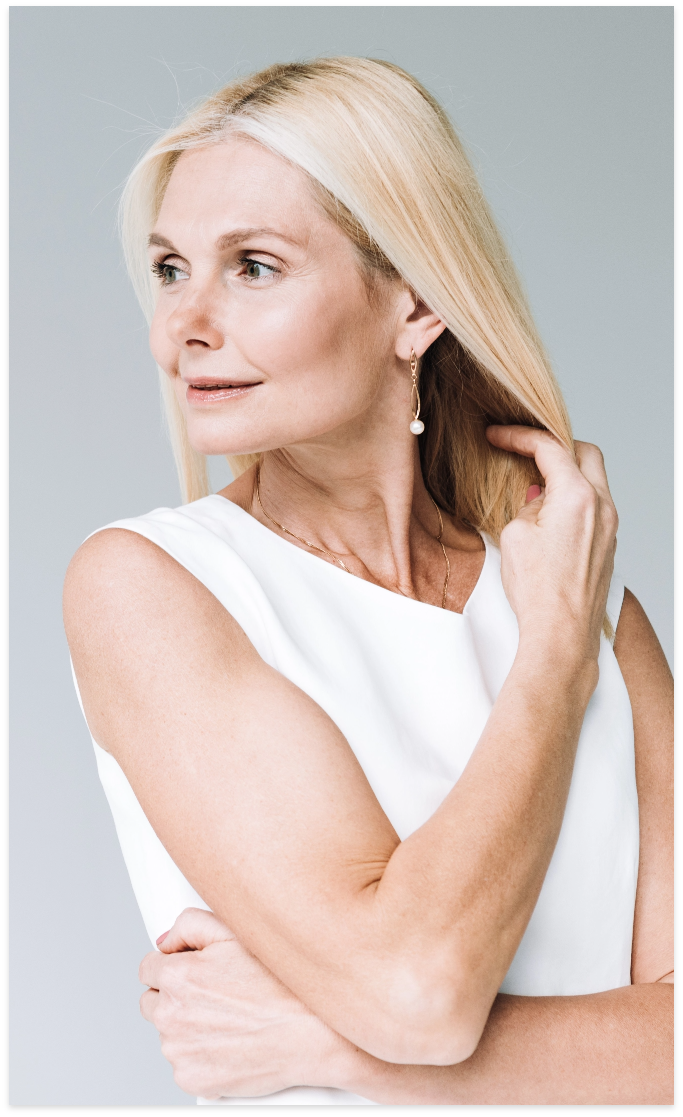
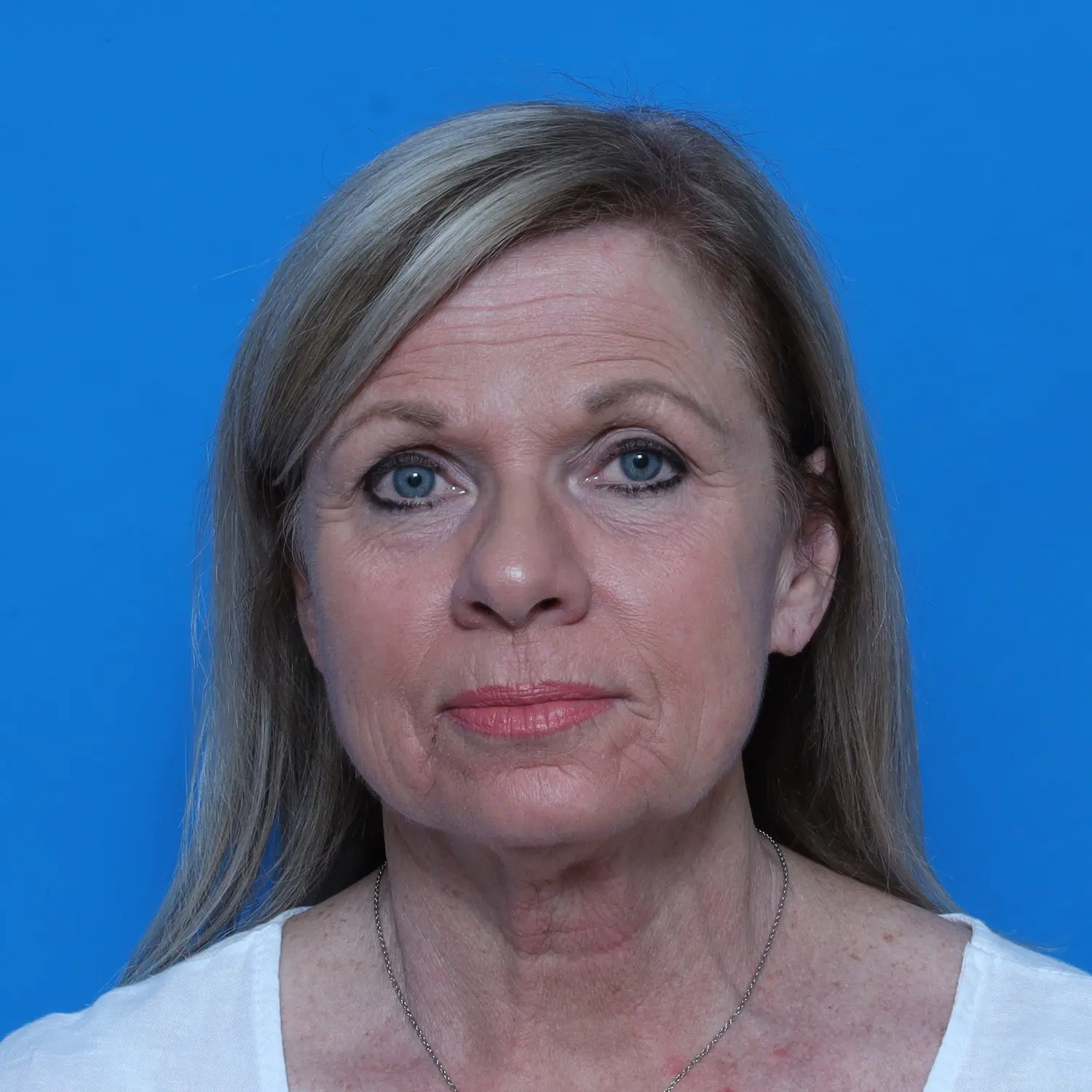
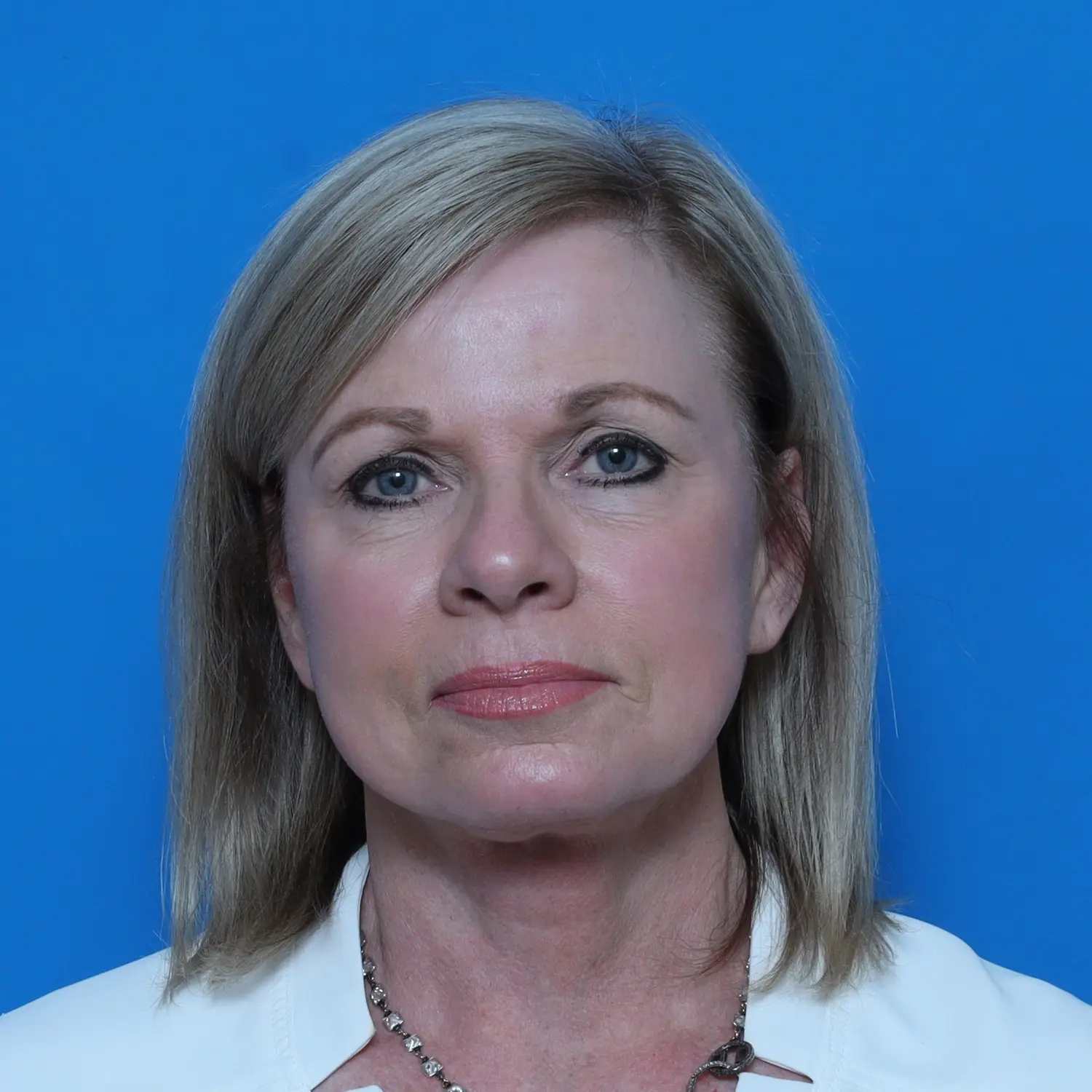
Before and After Photos
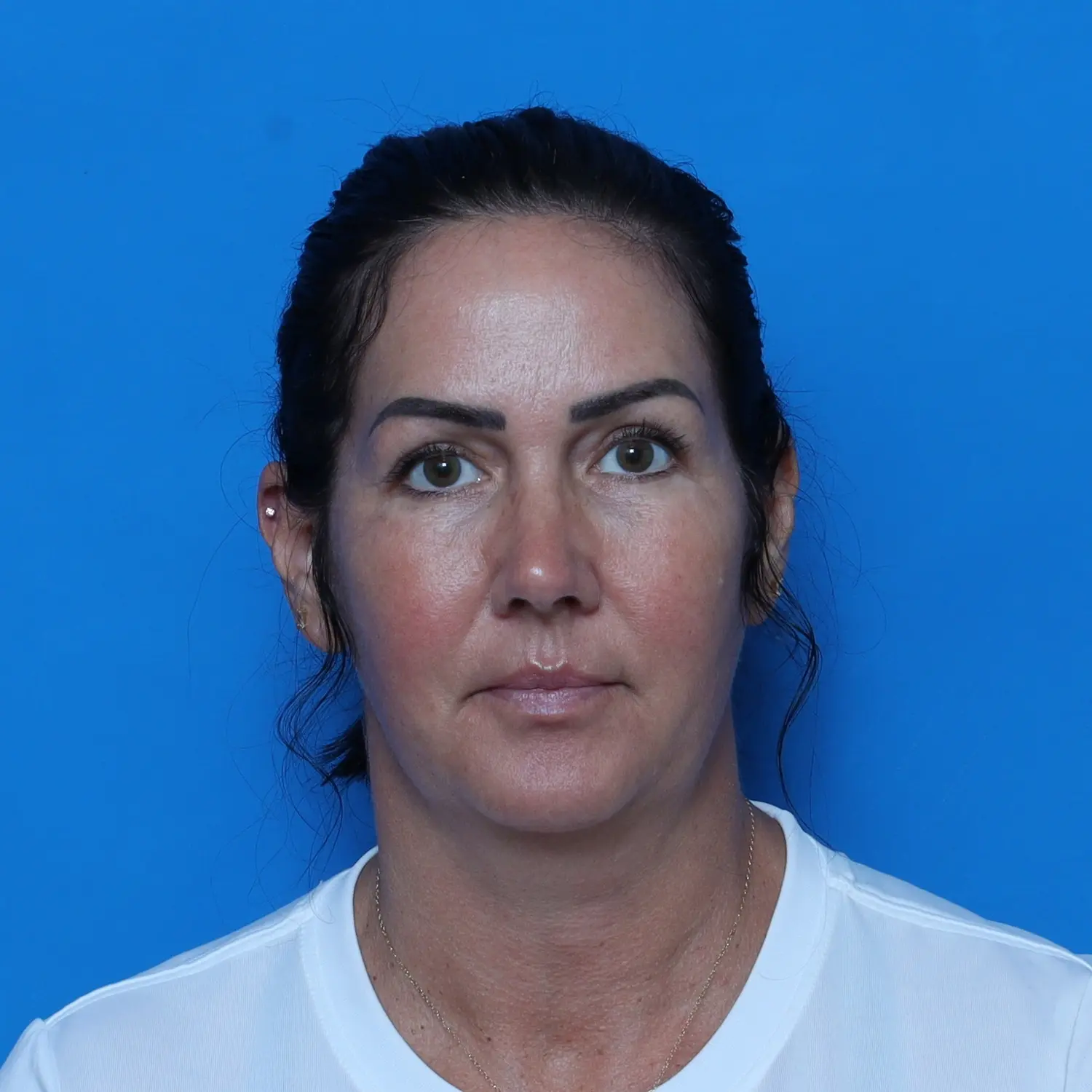
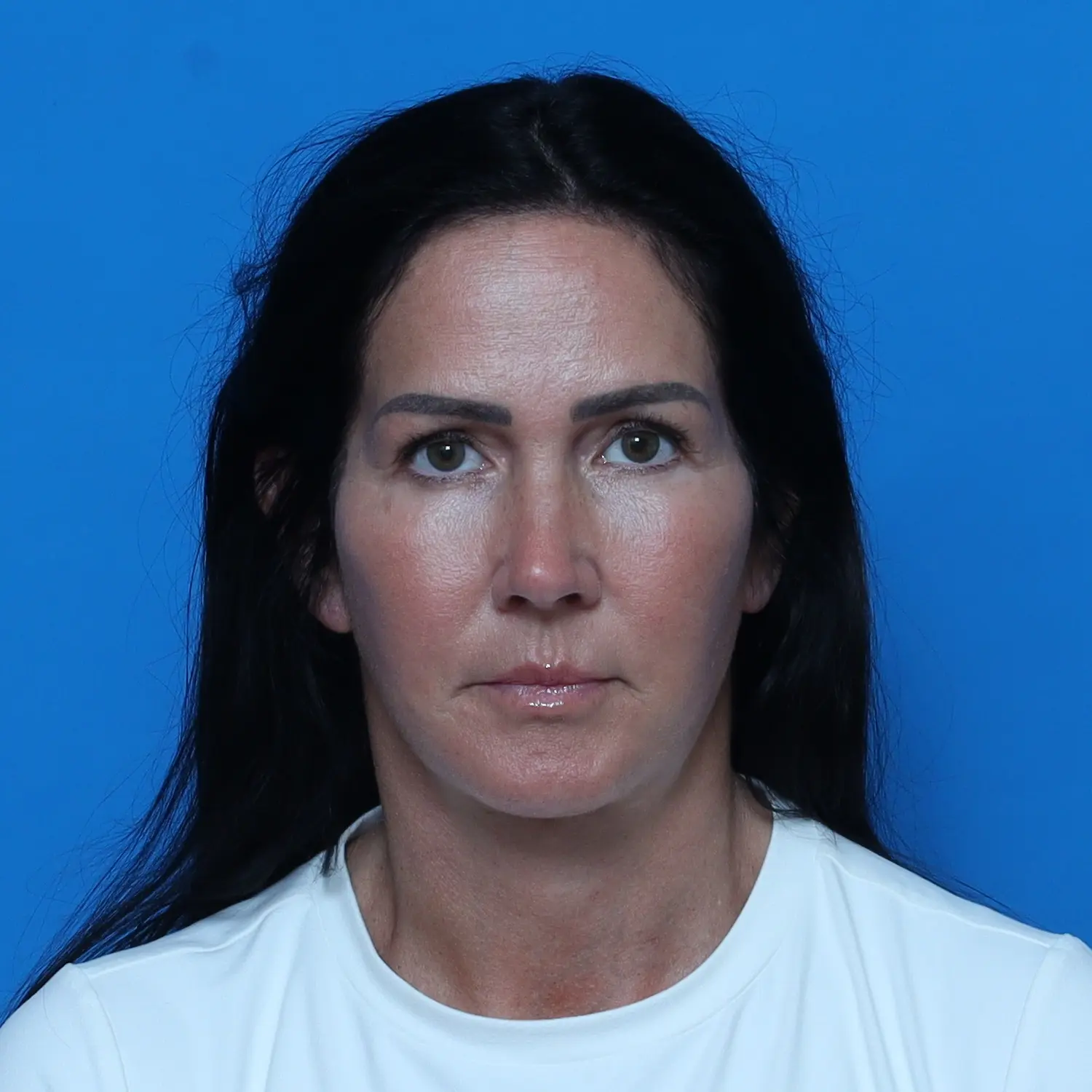
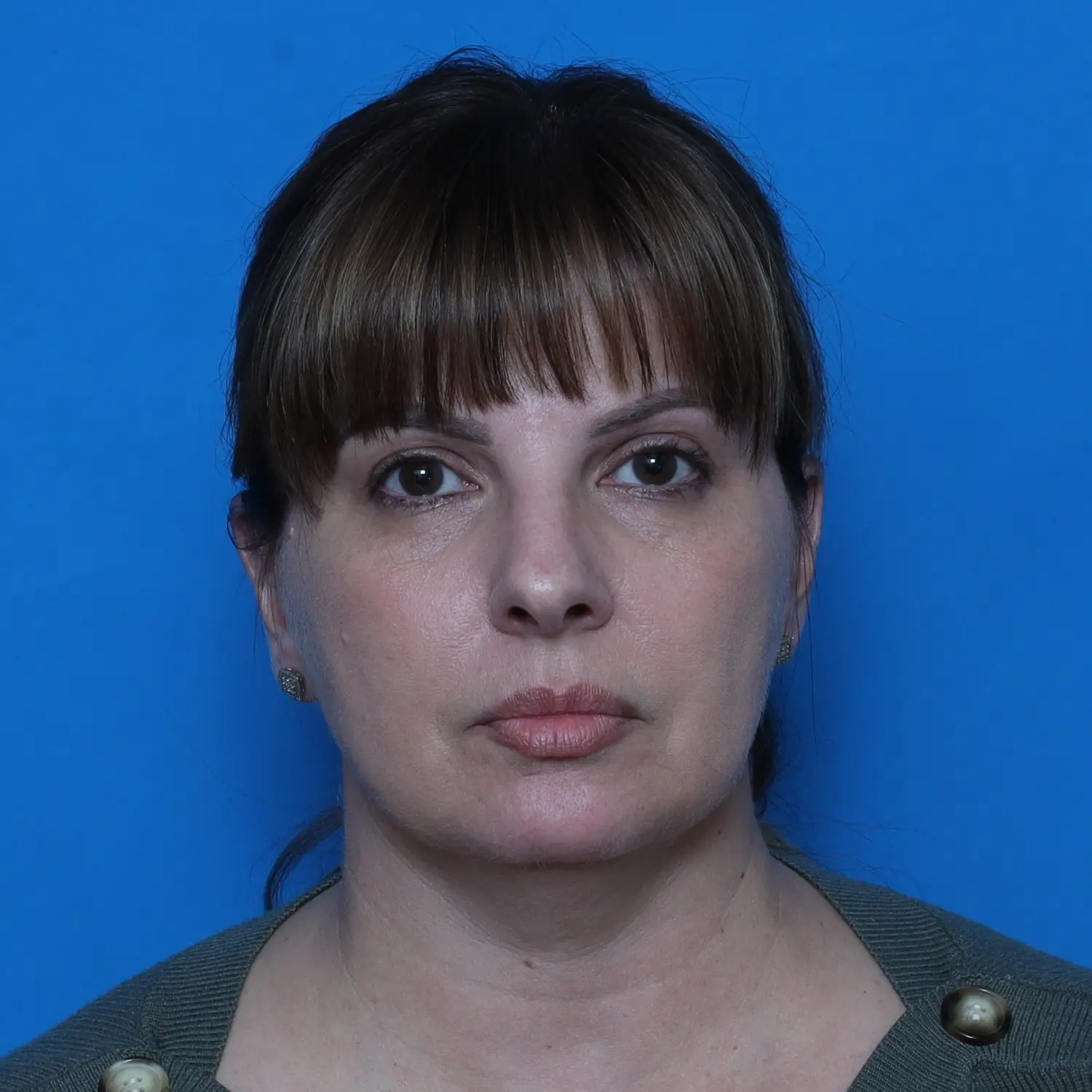
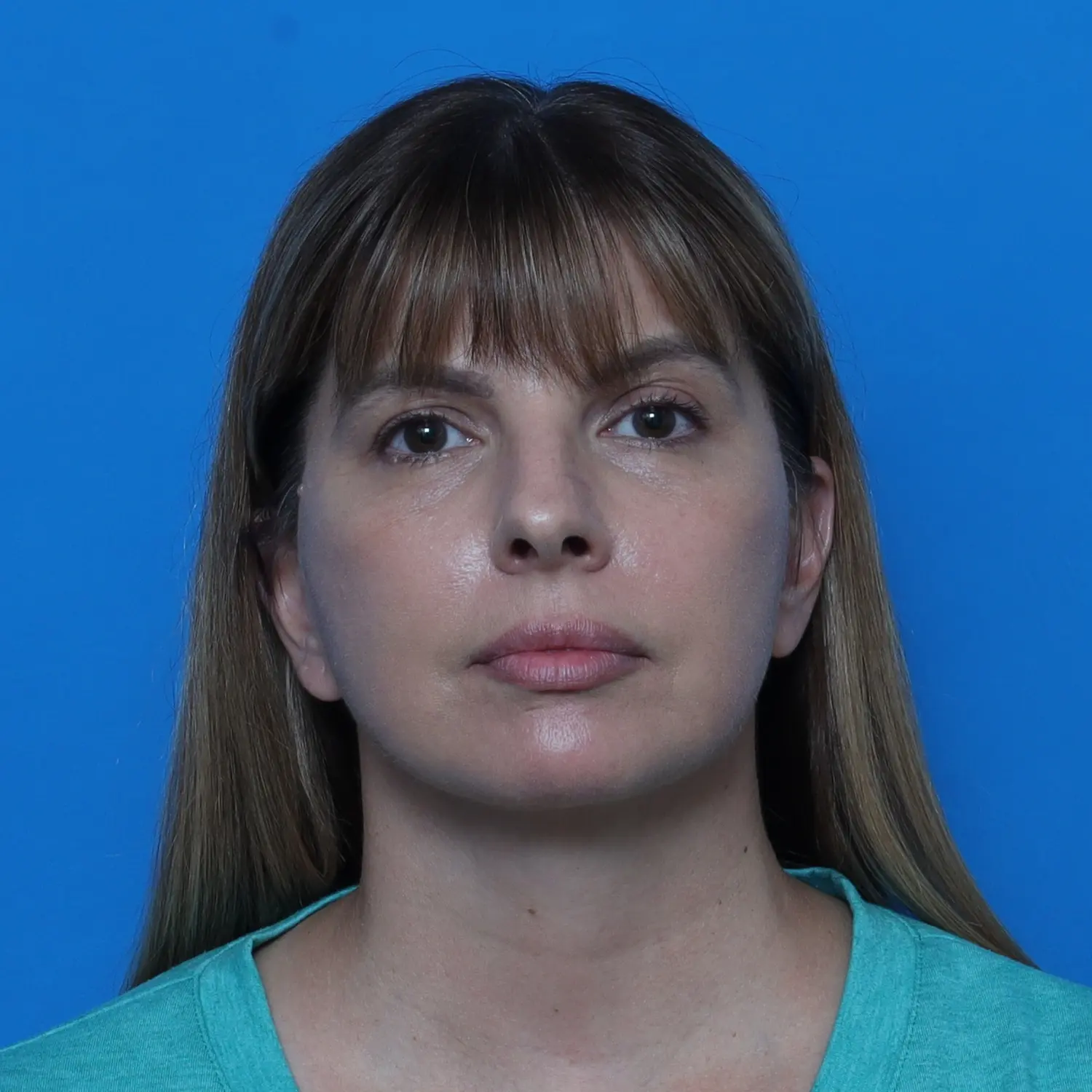
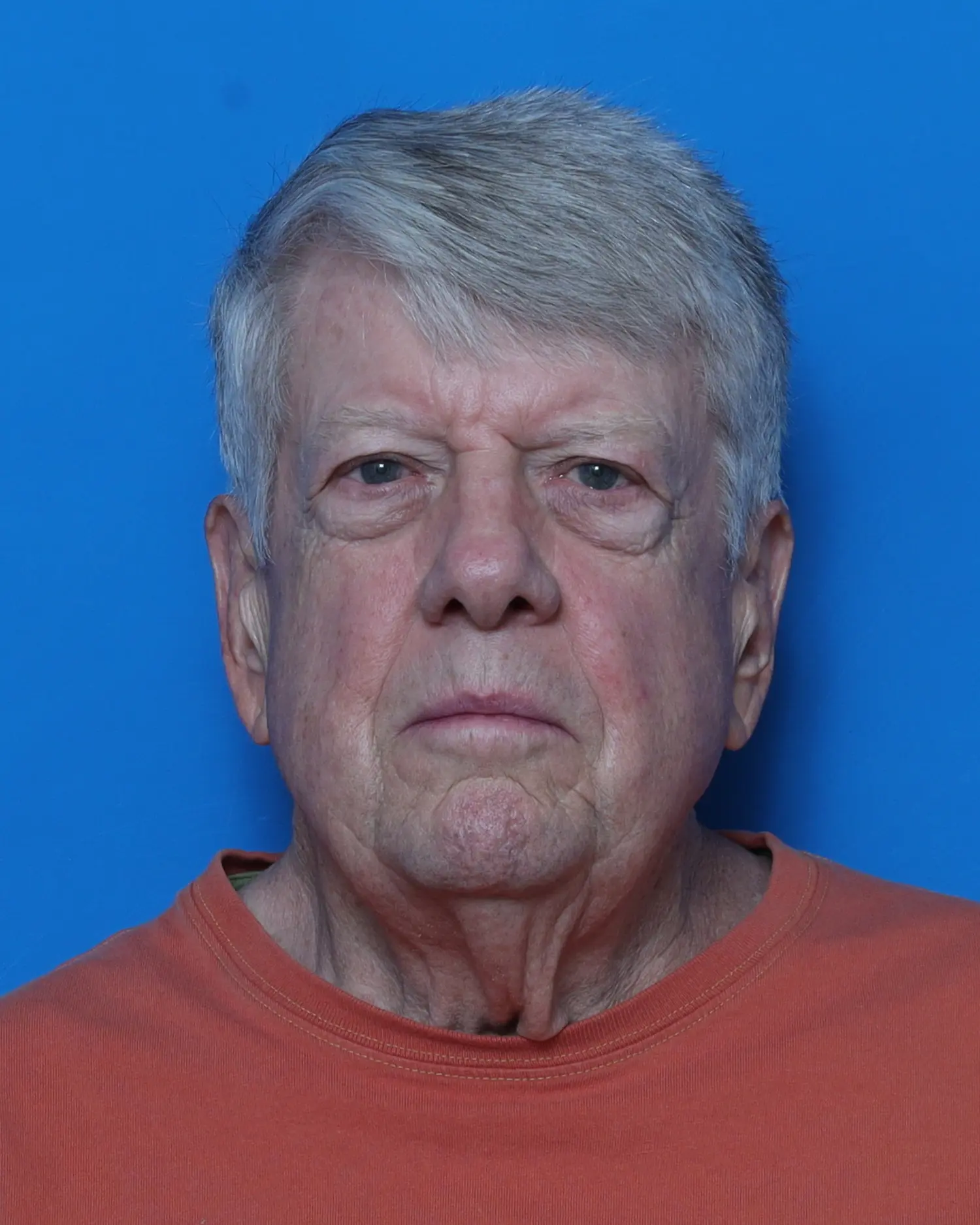
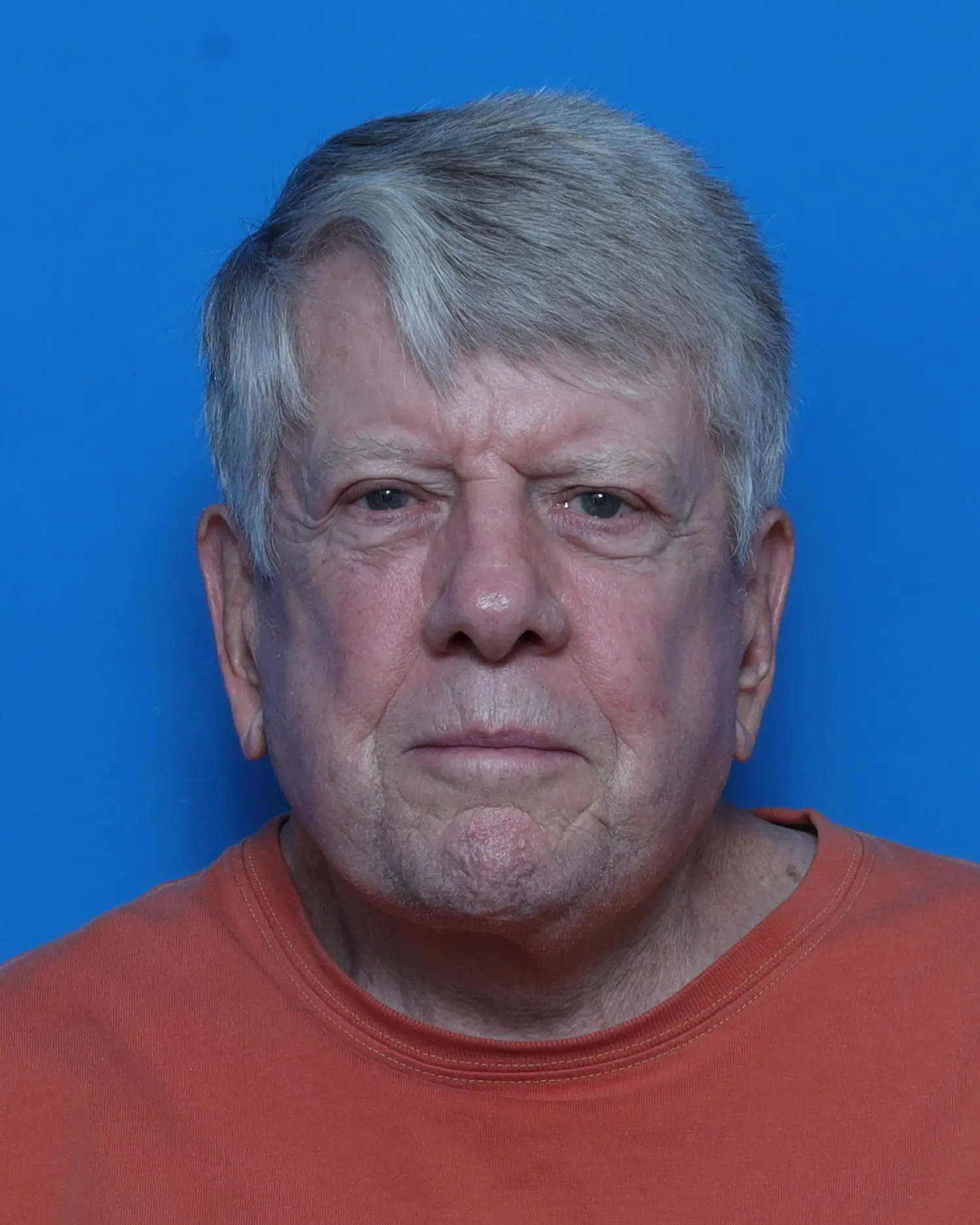
View before and after photos of real facelift patients who chose Eastern Shore Cosmetic Surgery.


Your Personal Consultation
A facelift is not a one-size-fits-all procedure, which is why our doctors begin every treatment plan with a thorough, one-on-one consultation. During this visit, your surgeon will take time to understand your specific concerns, goals and expectations.
He will also perform a comprehensive physical evaluation, including an assessment of your skin quality, underlying facial structure and the extent of aging. This allows the doctor to determine which surgical technique will be most effective, whether a deep plane facelift alone or in combination with other procedures.
Your surgeon will also walk you through what to expect before, during and after surgery, including details about anesthesia, recovery time and when you can expect to see your results. You’ll have the opportunity to ask questions and discuss complementary treatments if desired.

The Deep Plane Facelift Procedure
To begin a deep plane facelift, Dr. Koehler or Dr. Gardner places incisions behind the ear and hidden within the hairline for the utmost discretion after healing. In many cases, he may include an incision below the chin as well. Next, the surgeon can revise and reposition the SMAS, a layer of connective tissue underneath the skin that integrates with the facial muscles. Lifting this layer tightens the skin without creating a stretched or pulled look to the skin surface. In some cases, fat grafting may be included to restore volume loss through the cheeks and temples as well.
Since deep plane facelifts are usually performed as an outpatient procedure, you can plan on returning home the same day as your surgery. You will need to arrange for someone to drive you home and stay with you for at least the first 24 hours, as you’ll still be recovering from anesthesia and will need help getting settled and comfortable.

We are excited to offer Pro-Nox pain relief that can be added to any of the in-office procedures we perform. Pro-Nox is an inhaled analgesic that gives our patients 100% control through self-administration. Get short-term pain, anxiety, and stress relief without having to “go under.”
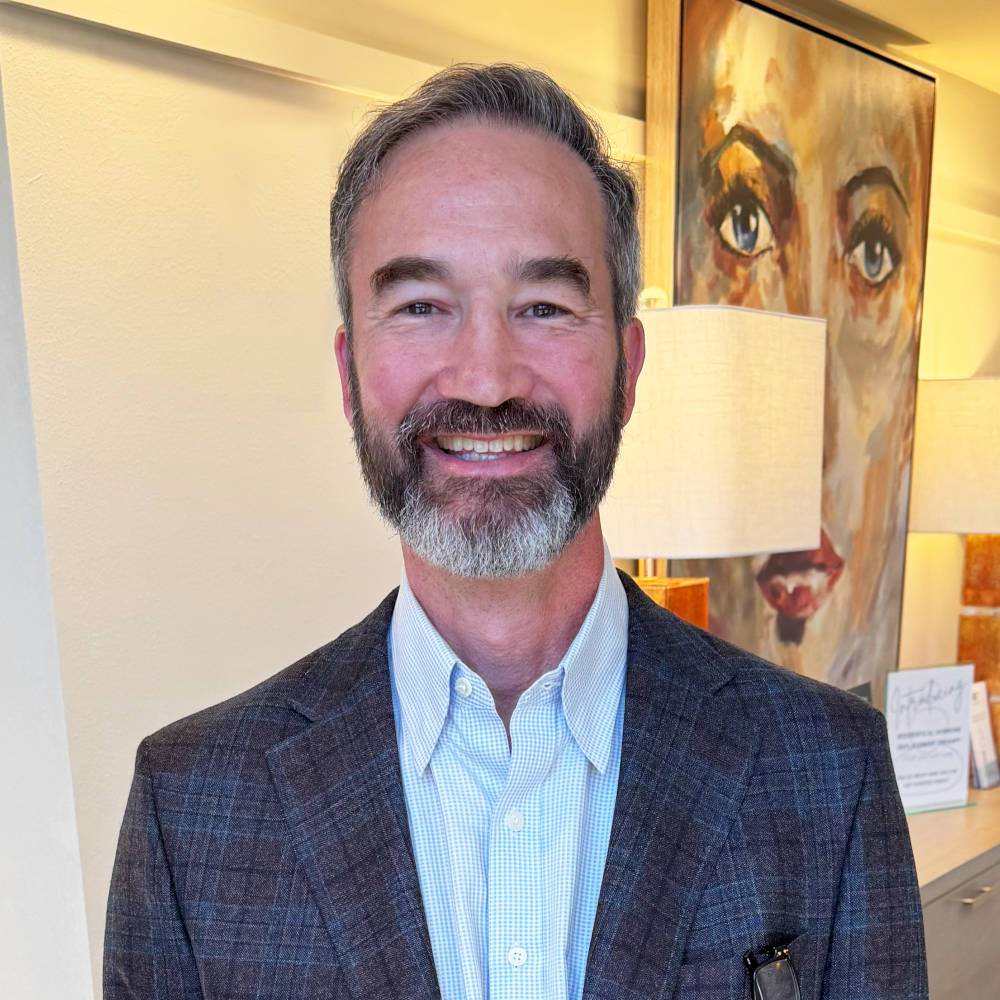
Dr. Koehler

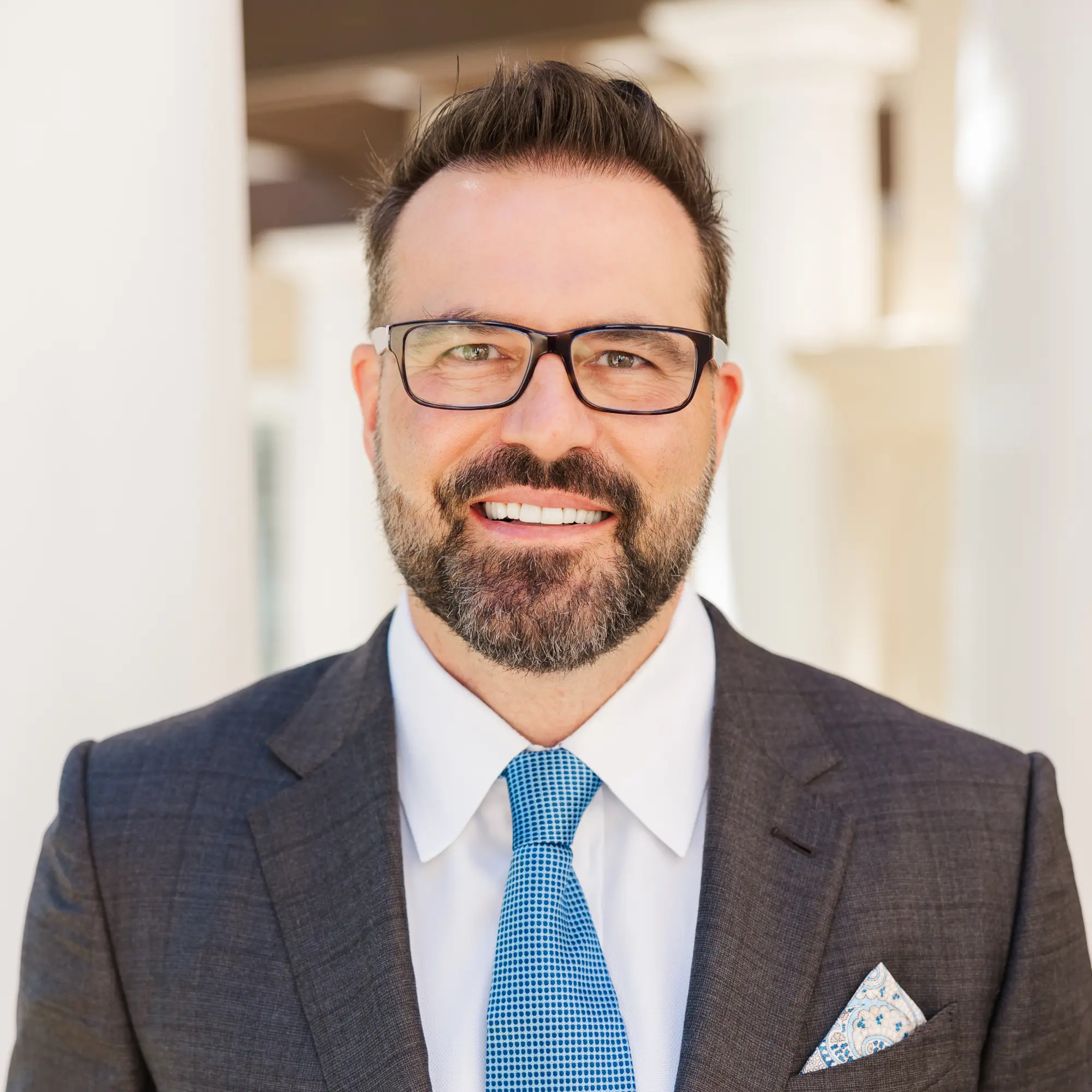
Educated at the University of Alabama and in practice for over 20 years, Dr. Koehler is a board-certified cosmetic surgeon who is devoted to providing exceptional results.

Dr. Gardner
A triple-board-certified surgeon specializing in both cosmetic and venous procedures, Dr. Gardner brings a depth of expertise, compassion, and innovation to our practice.

Risks and Complications
The most likely risks associated with a facelift are the same as those that could occur after any surgery, including a negative reaction to anesthesia, infection or poor healing response. Less common side effects include the possibility of hair loss at the incision points or permanent changes in sensation, although these are rare. We will discuss all the risks and benefits with you during your consultation so you’re informed about what you can expect.
Facelift Recovery
One benefit of the deep plane facelift method is that recovery tends to be shorter than with traditional facelifts. During your initial facelift recovery period, your surgeon may recommend wearing a supportive bandage to help you stay more comfortable and reduce any fluid buildup. By about 1 week after your surgery, swelling should be greatly decreased and you should be able to cover any residual bruising with makeup.
Most people are able to return to work, social activities and light exercise within 1 to 2 weeks after their facelift, though you will need to limit vigorous physical activity for several weeks as you continue to recover. By around the 6-week mark, you should be able to resume your normal exercise routine.
Your New Look
Right away after your deep plane facelift, you should see a difference in your appearance. Deep wrinkles will be minimized and hanging jowls or loose skin will be improved, better accentuating your bone structure and creating a firmer look and improved skin smoothness. However, swelling and bruising can camouflage your initial results, so be patient as your body continues to heal and your results continue to develop over the coming weeks and months.
Expect to see the beginnings of your facelift results around 3 weeks after your procedure, with final results continuing to develop and refine over the next 6 to 12 months. The ideal outcome of a facelift is to look like a refreshed and revitalized version of yourself.


Facelift FAQ
How much does a deep plane facelift cost in Alabama?
The cost of a facelift in Alabama will vary based on the specifics of your procedure, such as whether additional treatments are included, the condition of your skin and the extent of facial aging being addressed. After discussing your goals and treatment plan with you during your consultation, we can provide you with a more accurate deep plane facelift cost estimate. Please also ask us about financing options if this is something that you are interested in.
Does insurance cover the cost of a facelift?
No, most health insurance plans do not cover the cost of a facelift, because it is considered an elective procedure. For more information about your health plan coverage, call the number listed on the back of your insurance card.
Is a facelift the best cosmetic surgery for me?
A facelift could be the right option for you if you are unhappy with the appearance of pronounced wrinkles, creases or drooping skin in your mid- and lower-face areas. While a facelift does not address the upper face or neck areas, this procedure is often combined with other facial cosmetic surgeries such as a brow lift, eyelid lift or neck lift for enhanced results. The right combination of treatments for you will depend on your unique facial anatomy and your goals for your final results.
What is the best age for a deep plane facelift?
The best candidates for a facelift are typically in their 40s, 50s and 60s, though there is no right or wrong age to get this procedure. Some people choose to start with nonsurgical anti-aging options like BOTOX or dermal fillers before deciding to get a facelift. In other cases, signs of aging are more pronounced, and a facelift may be the best solution to begin with. Your surgeon will help you decide if a facelift could be right for you during your consultation.
How painful is a facelift?
Most of our patients describe experiencing mild to moderate discomfort after a facelift, rather than intense pain. Swelling, bruising and discomfort are typically easily managed with over-the-counter or prescription pain medications and should greatly improve after the first few days.
How long does a facelift last?
Facelifts can last around 10 years or more, depending on your age when you got your facelift, your lifestyle habits and genetics. Some people choose to combine their facelift with nonsurgical anti-aging options like BOTOX, fillers and laser skin rejuvenation to help enhance and prolong their results. Other things you can do to help your facelift last longer include wearing sunscreen, avoiding deliberate tanning and eating a healthy diet.
Are there nonsurgical facelift alternatives?
Yes. Nonsurgical alternatives to a facelift include injectables like BOTOX and fillers, laser skin treatments and microneedling. It is important to note, however, that while these treatments can be very effective for early signs of aging, they are unable to provide the same level of results as a surgical facelift.
Trending Topics on Deep Plane Facelifts
Looking to learn more about facelifts? Check out some of the most popular Alabama the Beautiful podcast episodes with Dr. Koehler.
- Podcast: Deep Plane Facelift vs. SMAS: Listen to Dr. Koehler explain the ins and outs of these two popular facelift techniques to help you better understand their differences and similarities.
- Podcast: Smart People Making Other Smart People Smarter About Face Lifts: Learn more about how Dr. Koehler takes facelift artistry to the next level by teaching an advanced facial rejuvenation cadaver course at St. Louis University.
- Podcast: How Not to End Up with a Super Obvious Facelift: Learn more about how Dr. Koehler emphasizes natural results and minimal scarring, and why he often recommends combining a facelift with subtle enhancements around the eyes when needed.
Contact us online using the “Message us” feature at the bottom of our website or you can call us at 251-929-7850 to learn more about our practice or to schedule your consultation.

Written By: Dr. James Koehler
A board-certified cosmetic surgeon in Fairhope, AL, Dr. James Koehler earned his MD from the University of Alabama and completed several post-doctoral residencies, internships and fellowships. He returned to Alabama to be closer to family and serve patients in the local community with a full range of cosmetic surgery procedures for the face, breast and body.
More about Dr. James Koehler | Last Reviewed: October 14th, 2025
 Facebook
 Instagram - Cosmetic Surgery
 Realself