251-929-7850
Fat
Grafting
Fat Grafting
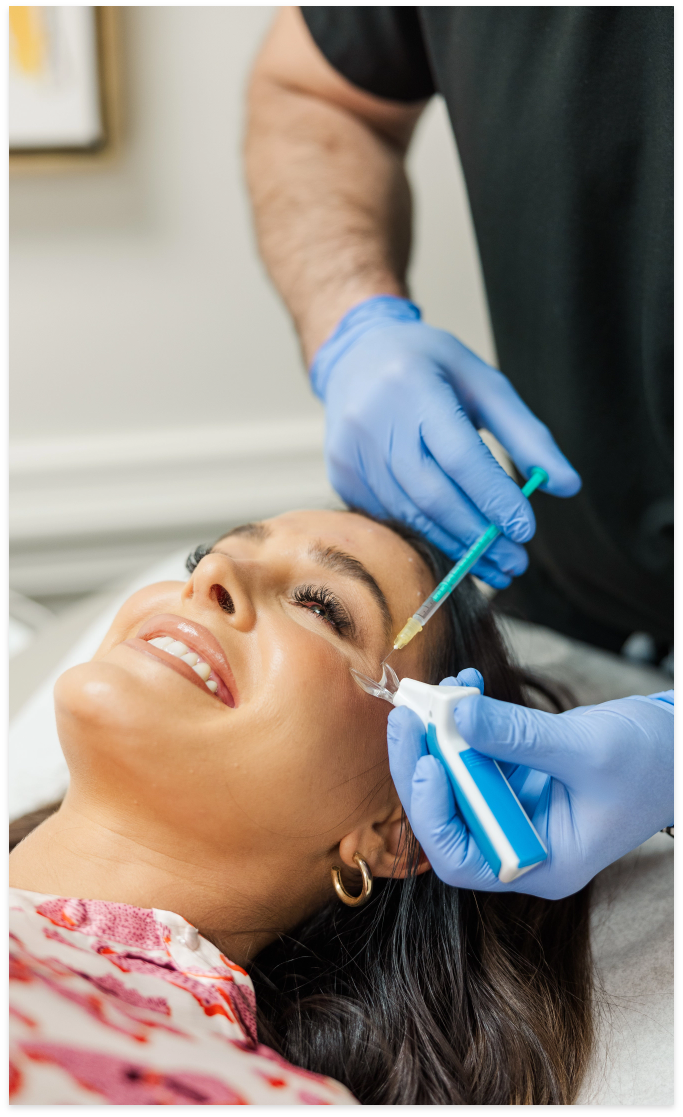
One of the ways aging becomes more apparent in the face is through the loss of fat, particularly over the cheekbones. Sunken temples and thinning lips are two more examples of aging caused by loss of soft tissue volume. Fat grafting uses living fat cells from your own body to restore a youthful fullness throughout your face again for a look that’s rejuvenated yet completely natural.
Recognized as some of the top cosmetic surgeons in the Mobile-Pensacola metro area, Dr. James Koehler and Dr. Vincent Gardner at Eastern Shore Cosmetic Surgery offer a wide range of facial plastic surgery procedures for both men and women. We are known for our caring commitment to a patient-first approach while achieving absolutely excellent results.
Are You a Candidate?
The best candidates for fat grafting are men and women who have noticed a loss in facial volume over the years, particularly through the cheeks, temples and lips. At the same time, some excess fat must be available for collection and transfer, typically taken from deposits around the belly, abdomen or thighs. It’s important to be in good general physical and mental health, and to have realistic expectations about your results.
Fat transfer provides an organic alternative to synthetic dermal fillers for patients who want the benefits of injectables with a more natural approach. Unlike dermal fillers, the results of fat transfer are permanent, so you can expect your results to be long-lasting. During your consultation, we can explain the differences between dermal fillers and fat grafting in more detail so you can make an informed decision about which option is right for you. It’s also possible to combine treatments for more comprehensive results.
Dr. Koehler

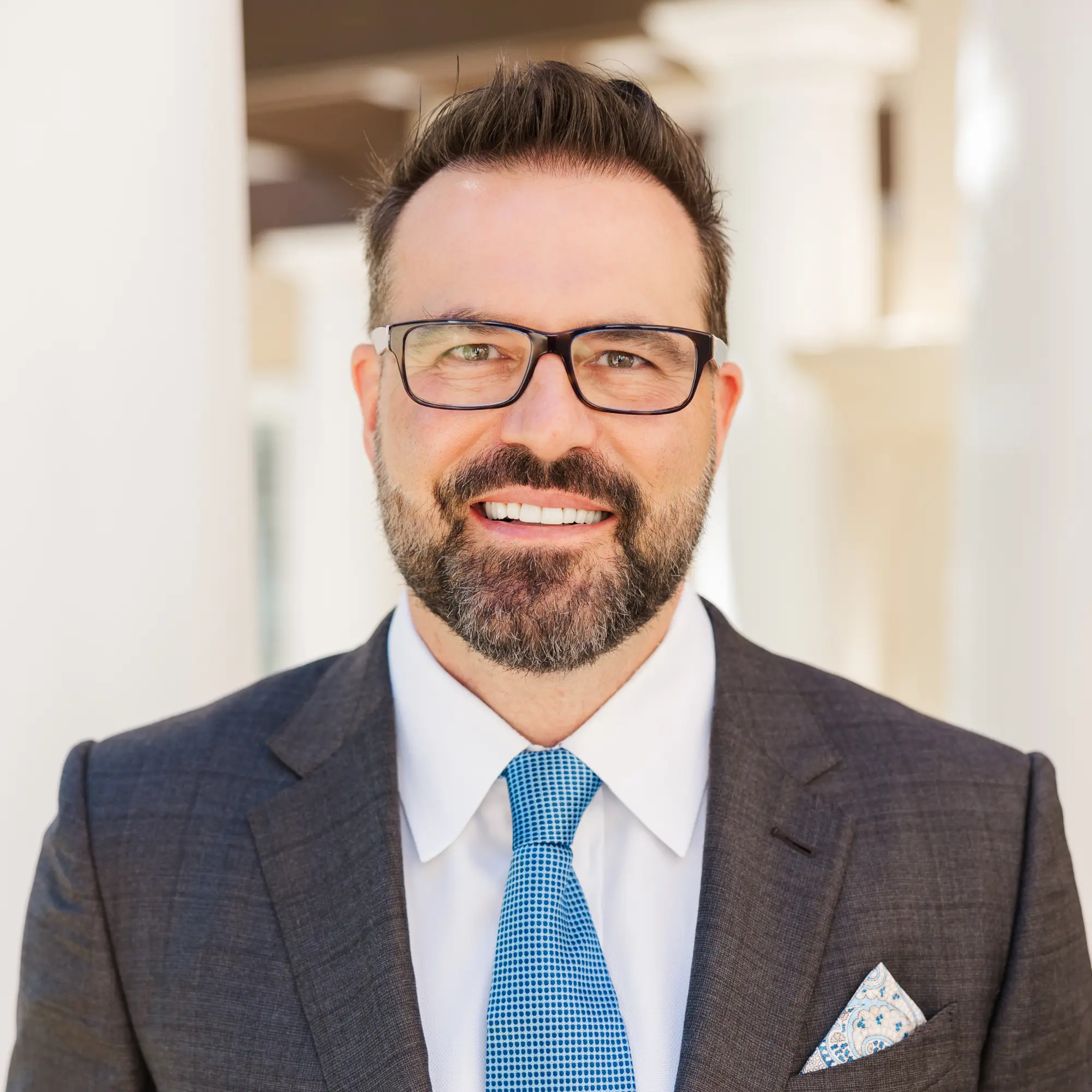
Educated at the University of Alabama and in practice for over 20 years, Dr. Koehler is a board-certified cosmetic surgeon who is devoted to providing exceptional results.

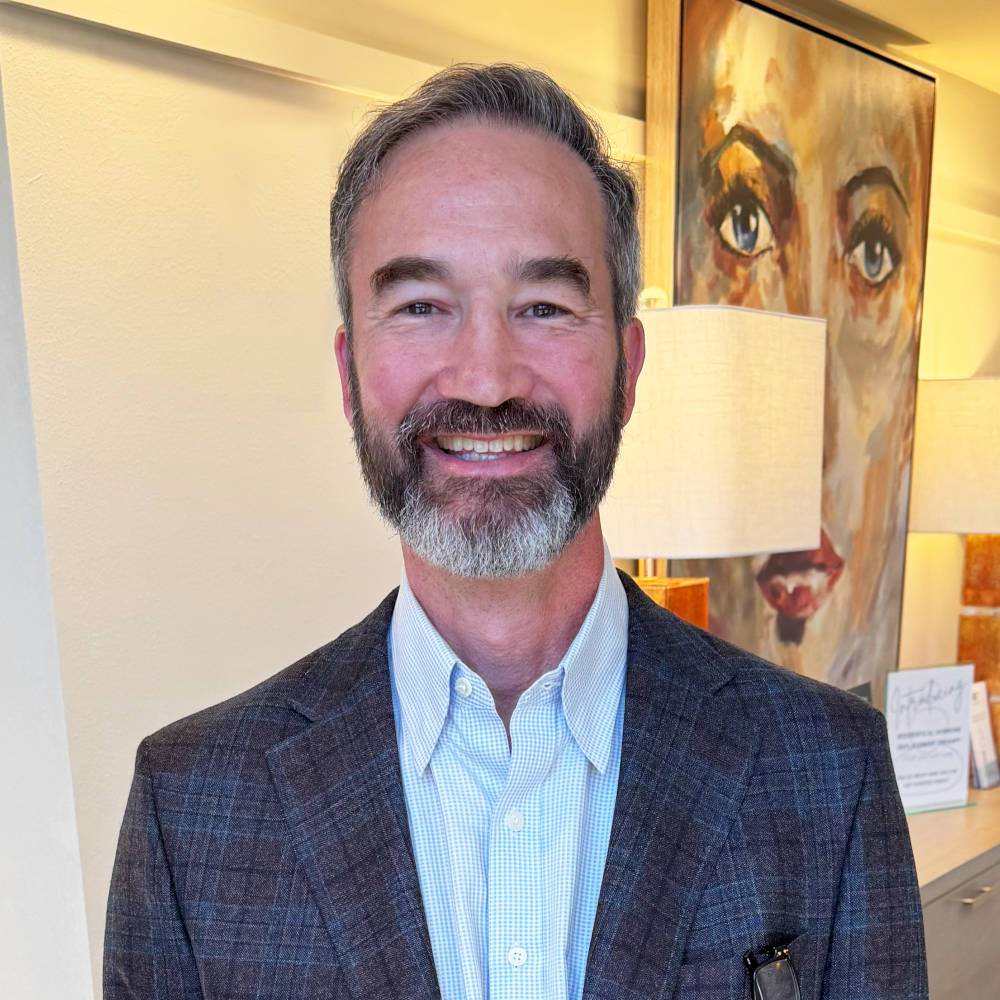
Dr. Gardner
A triple-board-certified surgeon specializing in both cosmetic and venous procedures, Dr. Gardner brings a depth of expertise, compassion, and innovation to our practice.


About Fat Grafting
Volume loss throughout the face is a normal part of the aging process. Although fat cells don’t disappear, they can shrink with age or in response to weight loss. A decline in collagen production also contributes to a thinner, more drawn look as you grow older. Restoring some degree of this tissue loss with fat grafting can be a wonderful nonsurgical alternative to regaining a more youthful look without facial cosmetic surgery.
The practice of fat grafting has been around for many years, but only recently have techniques become refined enough to deliver more predictable, consistent results. Fat grafting can be used to add diffuse volume over cheekbones for a more youthful look, or can target specific problem spots like facial scars, skin indentations or deep laugh lines that develop due to volume loss in the mid face. Fat grafting can also be used to augment thin lips, or fill out sunken temples. Choosing a surgeon with extensive experience in fat grafting is essential to ensuring the best outcome as well as minimizing complications.

We are excited to offer Pro-Nox pain relief that can be added to any of the in-office procedures we perform. Pro-Nox is an inhaled analgesic that gives our patients 100% control through self-administration. Get short-term pain, anxiety, and stress relief without having to “go under.”
What to Expect
Not everyone is a candidate for fat grafting due to the unique but necessary existing combination of facial thinness plus available fat cells elsewhere that are suitable for donating during the grafting process. Your surgeon will conduct a physical evaluation during your consultation to determine whether fat grafting is the right procedure to meet your cosmetic goals.
The first step in fat grafting is to collect donor cells, which is accomplished via liposuction. Tiny incisions are made near the collection area, through which your surgeon inserts a hollow surgical tube called a cannula. Using gentle suction, he can remove living fat cells and prepare them for transfer by removing any impurities. Once the cells are purified and ready for transfer, the surgeon carefully injects micro-layers of cells to ensure soft, natural contours and a smooth transition from treated to non-treated area. Because the entire transfer procedure is performed using a fine-gauge needle, there are no concerns over facial incisions or scars.
Fat grafting can deliver a beautiful outcome when performed as an isolated procedure, but the effects can be even more impressive if combined with other med spa treatments, such as BOTOX® or additional dermal fillers. Facial cosmetic surgery like a face lift can also be enhanced with fat grafting.
Because fat grafting is performed as an outpatient procedure in the majority of cases, patients can typically return home the same day after surgery. Your surgeon may have you wear a compression bandage at the donor site, similar to the recovery process you would follow after undergoing liposuction as a primary procedure.
The incisions required during lipo are often small enough that sutures aren’t considered necessary. There may be some bruising and swelling at the donor site, and initially overfilling the target area may be necessary in order to ensure the best results. As the viable cells take root and thrive in their new location over the weeks following treatment, your final results will become more visible.
Risks and Complications
Since fat grafting uses your own cells and tissue, there are no risks associated in terms of allergic or adverse reaction to the transferred cells. Other risks are possible but rare, and include complications at the liposuction site like bleeding, infection or irregular contours. We will discuss all the risks and benefits with you before your facelift so you’re informed about what you can expect.
Your New Look
You should see a difference in your facial structure immediately after fat grafting, such as a younger, healthier-looking and more vibrant appearance. Lips that were too thin will be plumper, and cheeks and temples will look softer and fuller. Deep wrinkles and facial scars that were treated with fat grafting should also appear minimized. As an added bonus, the liposuction performed in the donor area should eliminate some unwanted fatty deposits for a slimmer silhouette. Best of all, you can expect your new look to last much longer than if dermal fillers were used, and enjoy knowing that your results are all-natural.



Written By: Dr. James Koehler
A board-certified cosmetic surgeon in Fairhope, AL, Dr. James Koehler earned his MD from the University of Alabama and completed several post-doctoral residencies, internships and fellowships. He returned to Alabama to be closer to family and serve patients in the local community with a full range of cosmetic surgery procedures for the face, breast and body.
More about Dr. James Koehler | Last Reviewed: February 20th, 2026
 Facebook
 Instagram - Cosmetic Surgery
 Realself